The Egyptian goddesses were never supporting characters. Isis outsmarted the sun god himself, Sekhmet nearly ended humanity, Hathor taught Egypt to celebrate, and Ma’at’s single feather judged every soul that ever lived. This guide introduces the great goddesses of ancient Egypt — their powers, their stories, and the temples where you can still meet them today.
Quick Answer: The most important ancient Egyptian goddesses are Isis (magic and motherhood), Hathor (love, music and joy), Sekhmet (war and healing), Bastet (protection and cats), Ma’at (truth and cosmic order), Nut (the sky), Nephthys (mourning) and Taweret (childbirth). Their worship shaped temples across Egypt for over 3,000 years — and several of those temples still stand.
The Great Goddesses at a Glance
| Goddess | Domain | Appearance | Where to meet her |
|---|---|---|---|
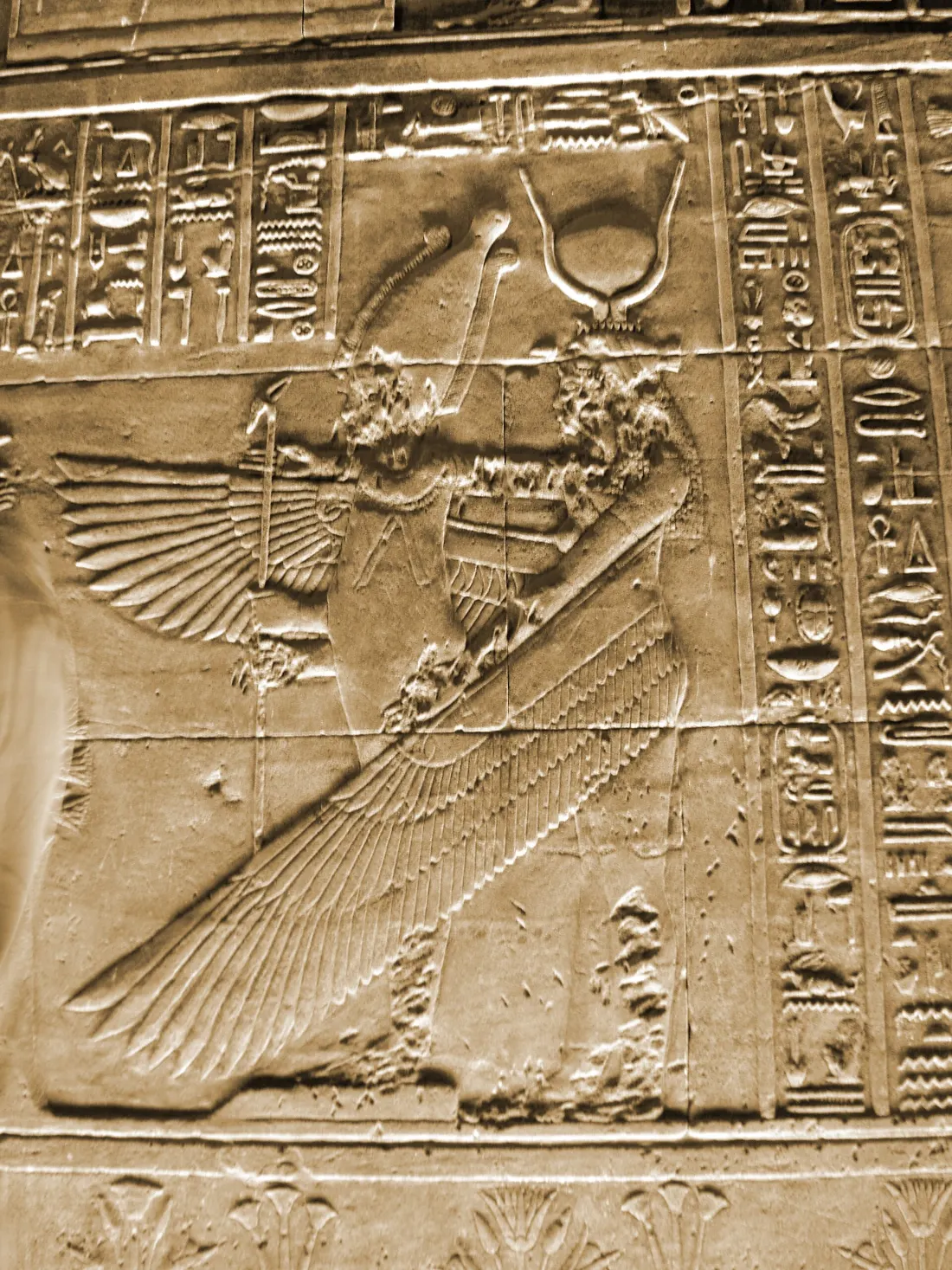
| Isis | Magic, motherhood, protection | Throne crown; often nursing Horus | Philae Temple, Aswan |
| Hathor | Love, music, joy | Cow horns cradling the sun disk | Dendera — day trip from Luxor |
| Sekhmet | War, plague, healing | Lioness-headed woman | Granite statues at Karnak |
| Bastet | Home, cats, protection | Cat or cat-headed woman | Museum collections; Bubastis ruins |
| Ma’at | Truth and cosmic order | Ostrich feather on her head | Judgment scenes in the Valley of the Kings |
| Nut | The sky itself | Star-covered woman arching over earth | Tomb ceilings, Luxor’s West Bank |
| Nephthys | Mourning, night | Basket-and-house crown | Beside Isis on coffins everywhere |
| Taweret | Childbirth, mothers | Upright hippopotamus | Household amulets in every museum |
Isis: The Greatest of Them All
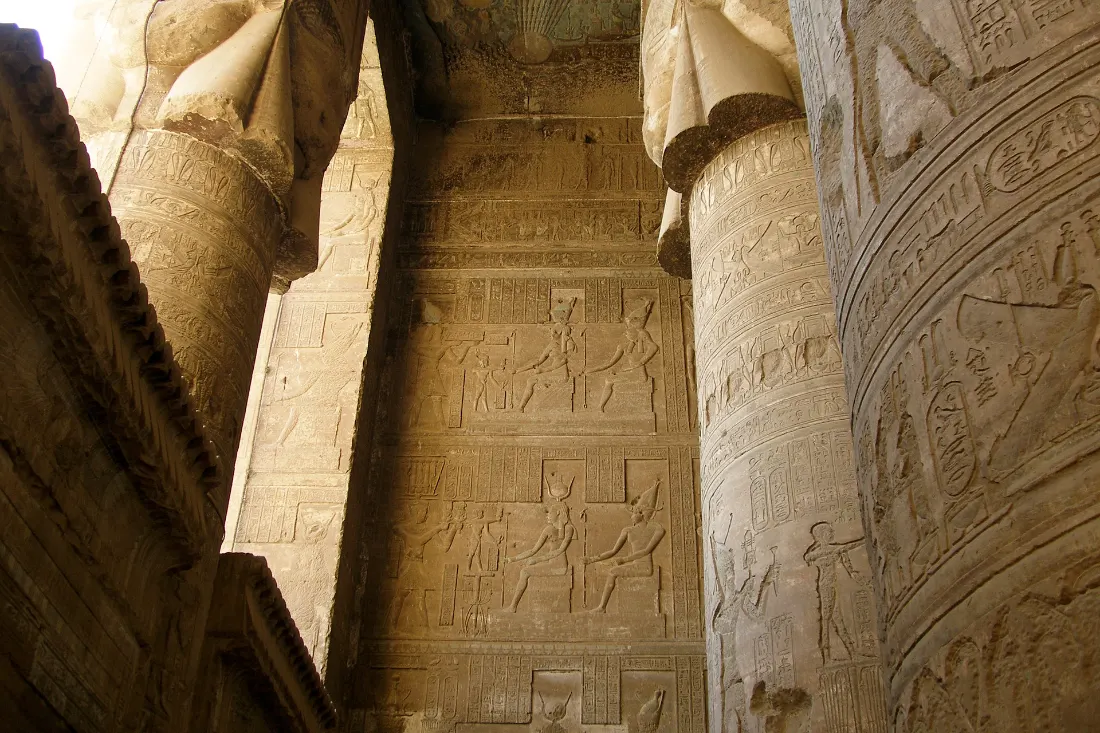
Mistress of magic, devoted wife who reassembled her murdered husband Osiris, fierce mother of Horus — Isis earned every title. Her cult outgrew Egypt itself: by Roman times she had temples from Britain to Afghanistan, and her island sanctuary at Philae was the last pagan temple in the empire to close. Standing in her colonnaded courts today, reached by boat exactly as pilgrims came, remains one of Egypt’s most moving experiences.
Hathor: Joy as a Sacred Duty
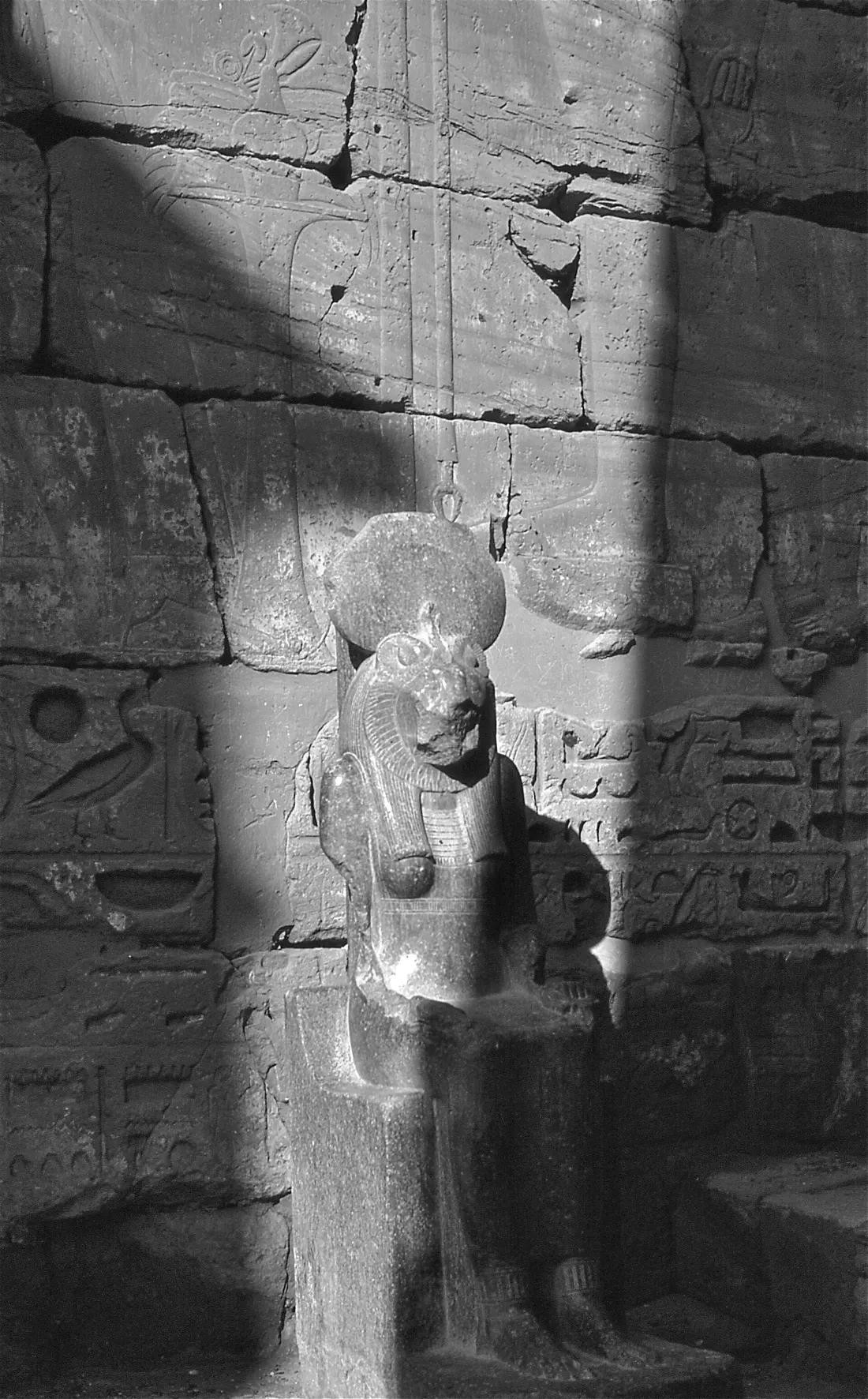
Goddess of love, music, dance and drunkenness-in-her-honor, Hathor is ancient Egypt at its warmest. Her temple at Dendera is among the best-preserved in the country — ceiling astronomy still blazing blue and gold, her smiling cow-eared face crowning column after column.
Sekhmet: The Lioness Who Nearly Ended Us
When Ra sent his Eye to punish rebellious humanity, she became Sekhmet — “the Powerful” — and slaughtered with such joy that the gods had to flood the fields with beer dyed red as blood; she drank, slept, and woke as gentle Hathor. Egyptians took no chances: hundreds of her granite statues stood at Karnak’s Mut precinct, where you can still meet her stone gaze.
Ma’at, Nut and the Quiet Powers
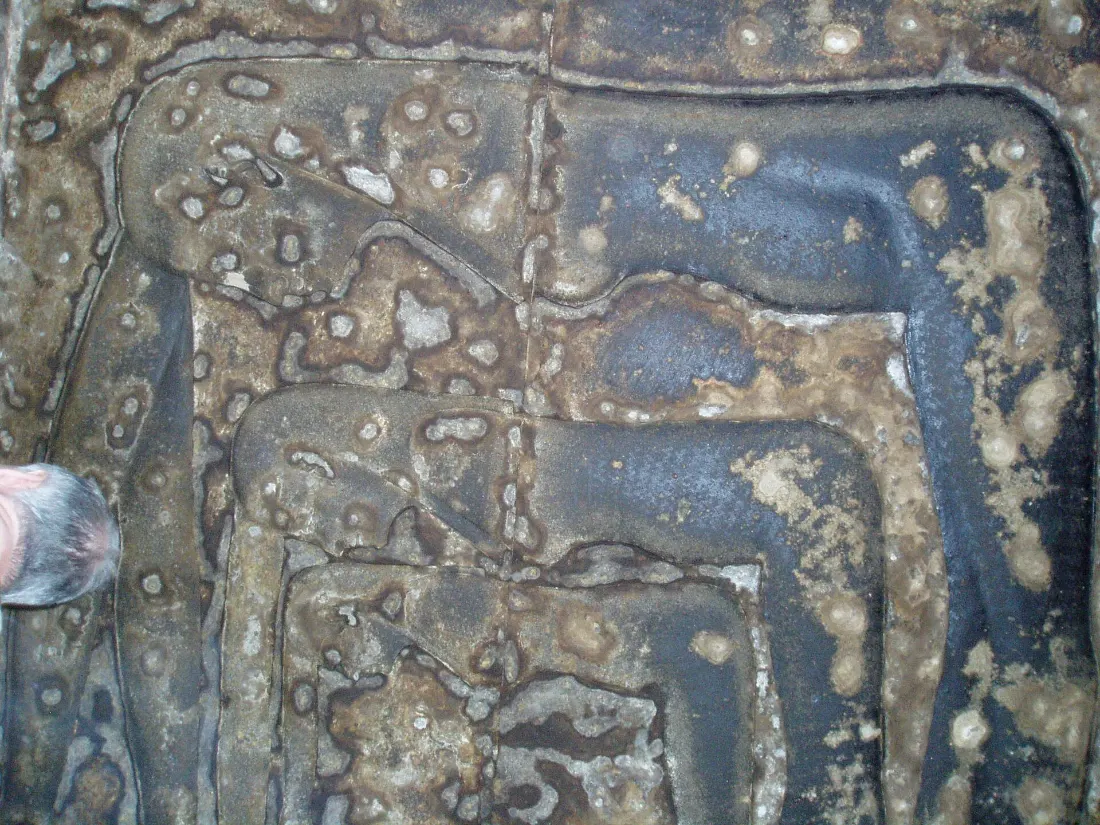
Not every goddess roared. Ma’at was the principle everything ran on — truth, balance, order — and her feather sat on the scale against every human heart in the afterlife’s judgment. Nut swallowed the sun each evening and gave birth to it each dawn, her star-spangled body arching across tomb ceilings. Taweret, the fierce hippo midwife, guarded every birth in every household. Divinity in Egypt lived in bedrooms as much as temples.
Where to Meet the Goddesses Today
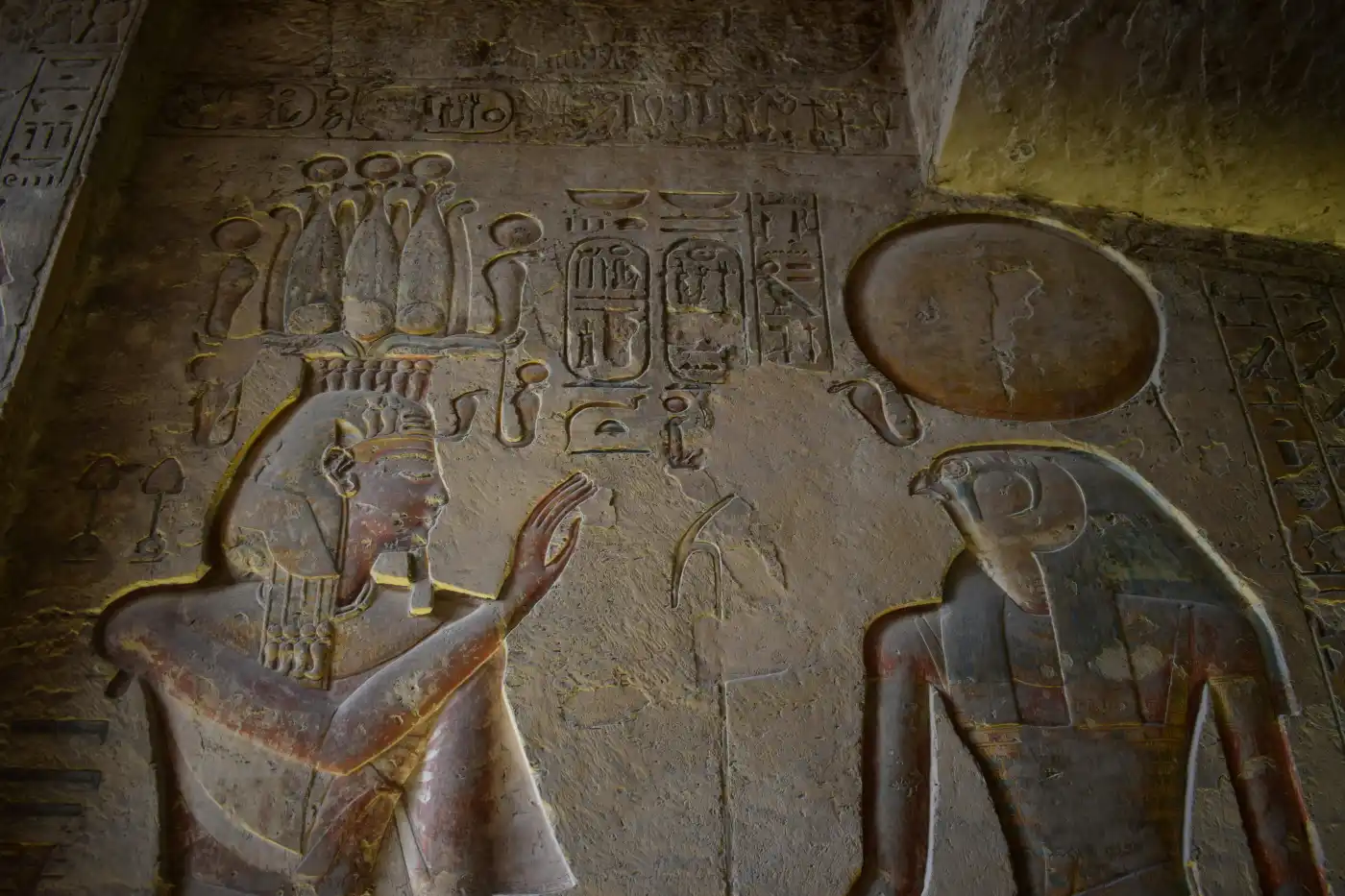
This is Egypt’s gift: the addresses survive. Isis holds court at Philae, Hathor at Dendera, Sekhmet at Karnak, and the whole heavenly cast performs on the tomb ceilings of the Valley of the Kings. For the full pantheon — gods included — see our complete guide to the Egyptian gods and goddesses.
FAQs About Egyptian Goddesses
Who was the most powerful Egyptian goddess?
Isis — mistress of magic and hidden names, whose worship spread across the entire ancient world and outlasted every rival cult.
Who was the Egyptian goddess of love?
Hathor — love, music, beauty and joy — later sharing the role with Isis as their cults merged.
What is the difference between Sekhmet and Bastet?
Two faces of feline power: Sekhmet the lioness is wrath unleashed, Bastet the cat is protection at the hearth. Myths treat them as sisters — or the same goddess in different moods.
Who was the Egyptian goddess of death?
Egypt split the role: Nephthys mourned the dead, Isis restored them, Ma’at judged them, and Amentet welcomed them into the West.
Can you visit temples of Egyptian goddesses today?
Yes — Philae (Isis) and Dendera (Hathor) are two of the best-preserved temples in Egypt, both easy day trips with our Aswan and Luxor tours.
Want to meet them in person? Message us on WhatsApp — our Egyptologists introduce these ladies daily.
Further reading: Isis.